
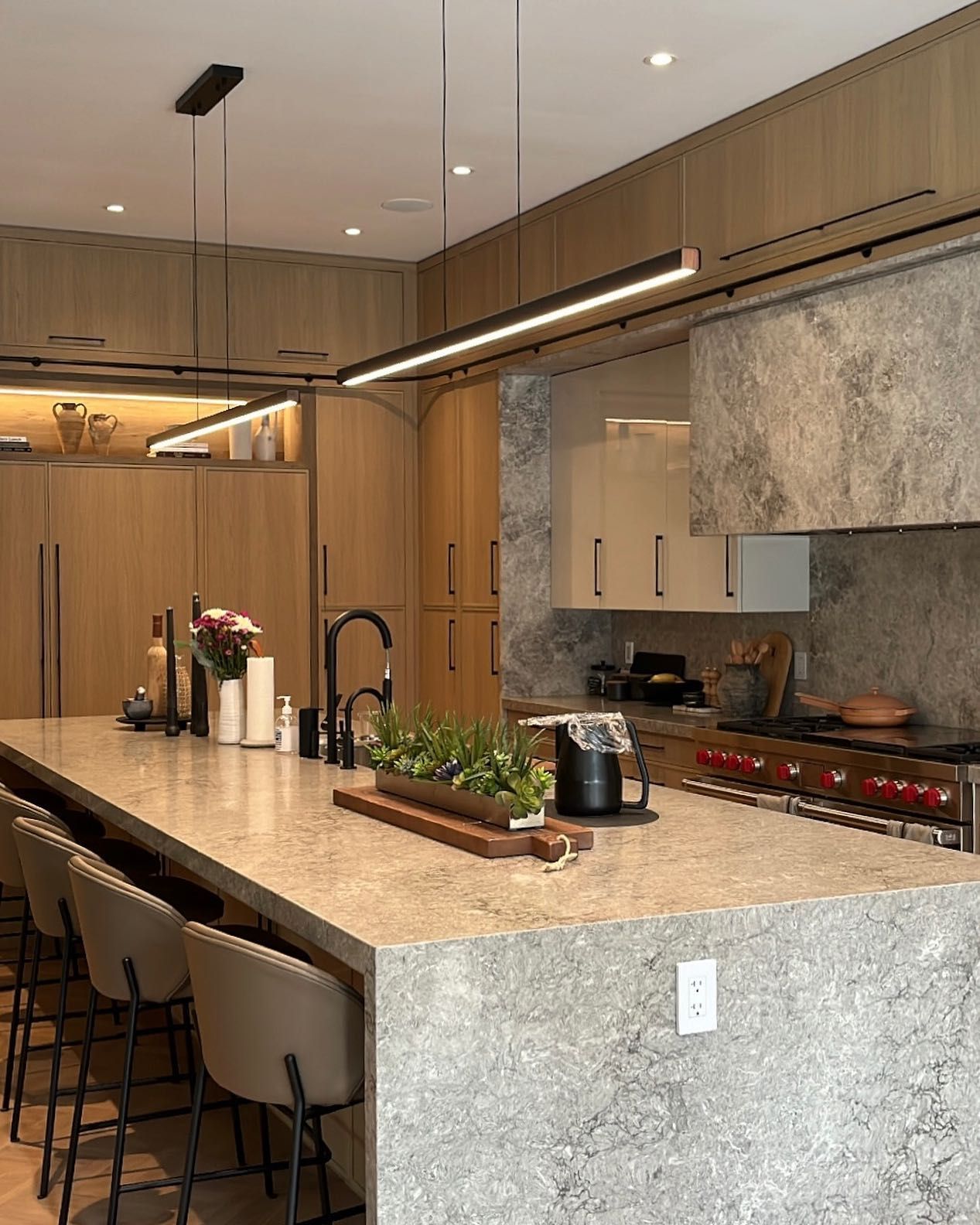
Lighting Designed Around How Spaces Get Used
Residential Lighting Installation in Sherwood for kitchens with insufficient task lighting, living areas that rely on outdated fixtures, and rooms where lighting controls no longer match how the space functions
Kitchens that depend on a single overhead fixture leave countertops in shadow while you prep meals, and living spaces lit only by table lamps create uneven lighting that makes the room feel smaller than it is. TH3 Electric installs residential lighting throughout Sherwood and the surrounding Portland metro area for homeowners upgrading from fixtures that no longer provide adequate light output or that consume far more energy than modern LED alternatives. Lighting installation involves wiring new fixtures, adding switches or dimmers where manual controls create inconvenience, and positioning lights to eliminate shadows in work areas while providing ambient lighting that enhances the overall space.
The process begins by identifying where lighting is needed based on how each room is used—whether that's focused task lighting over kitchen islands, recessed lighting in hallways to eliminate dark spots, or adjustable fixtures in bedrooms that allow for reading without overwhelming the space. Wiring new fixtures requires running cable from the electrical panel or an existing junction box to each light location, installing boxes that support the fixture weight, and connecting switches that control lighting zones independently.
Request a detailed estimate based on your current lighting layout and the improvements you're planning.
How Lighting Affects Daily Functionality
Lighting installation requires planning circuit capacity to ensure that new fixtures don't overload existing wiring, selecting fixtures rated for the location—damp-rated for bathrooms, IC-rated for insulated ceilings—and positioning lights to avoid glare while providing even coverage. Recessed lighting in kitchens typically spaces fixtures 4 to 6 feet apart to eliminate shadows on countertops, while pendant lights over islands hang low enough to light the work surface without obstructing sightlines across the room.
After installation, you'll see that task areas have focused light without harsh shadows, ambient lighting fills the room evenly without creating bright spots, and controls allow you to adjust lighting levels for different activities without switching fixtures on and off individually. Energy-efficient LED fixtures reduce electricity consumption compared to older incandescent or halogen bulbs, and they last significantly longer, which reduces the frequency of bulb replacements.
Lighting upgrades often coincide with kitchen or bathroom remodels, but they can be completed independently when the goal is improving functionality or reducing energy costs. Some installations require adding circuits if the existing electrical system lacks capacity, and dimmer switches must be compatible with the fixture type to function correctly without flickering or buzzing.
Common Questions About This Service
Lighting installations vary depending on the space, the existing electrical infrastructure, and the specific improvements homeowners want to achieve.
What's the difference between task lighting and ambient lighting?
Task lighting focuses on specific work areas such as countertops, desks, or reading chairs, providing higher light levels in a concentrated area, while ambient lighting fills the entire room with even, softer light that creates a comfortable environment without shadows or glare.
How do electricians determine where to place recessed lights?
Placement depends on ceiling height, the size of the space, and what needs illumination—recessed lights in kitchens align with countertops and islands, while those in hallways space evenly to eliminate dark spots without creating excessive brightness.
When should existing fixtures be replaced rather than simply changing bulbs?
Fixtures should be replaced when they no longer support modern bulb types, when the housing is damaged or corroded, when they lack compatibility with dimmer switches or smart controls, or when the style no longer fits the home's design.
What types of lighting work best in homes throughout Sherwood?
Homes in the Pacific Northwest benefit from lighting that compensates for limited natural light during winter months, which means layering ambient, task, and accent lighting to maintain visibility and comfort regardless of outdoor conditions.
How does wiring new lighting affect existing circuits?
New lighting adds load to existing circuits, so electricians calculate total circuit demand to verify that adding fixtures won't exceed breaker capacity, and they add dedicated circuits when necessary to prevent overloading and ensure reliable operation.
TH3 Electric designs and installs lighting systems that improve both functionality and energy efficiency. Schedule a consultation to discuss lighting improvements tailored to how you use each space.