Wiring Systems Built for Commercial Demand
Commercial Electrical Wiring in Sherwood for new construction, facility renovations, and tenant improvement projects
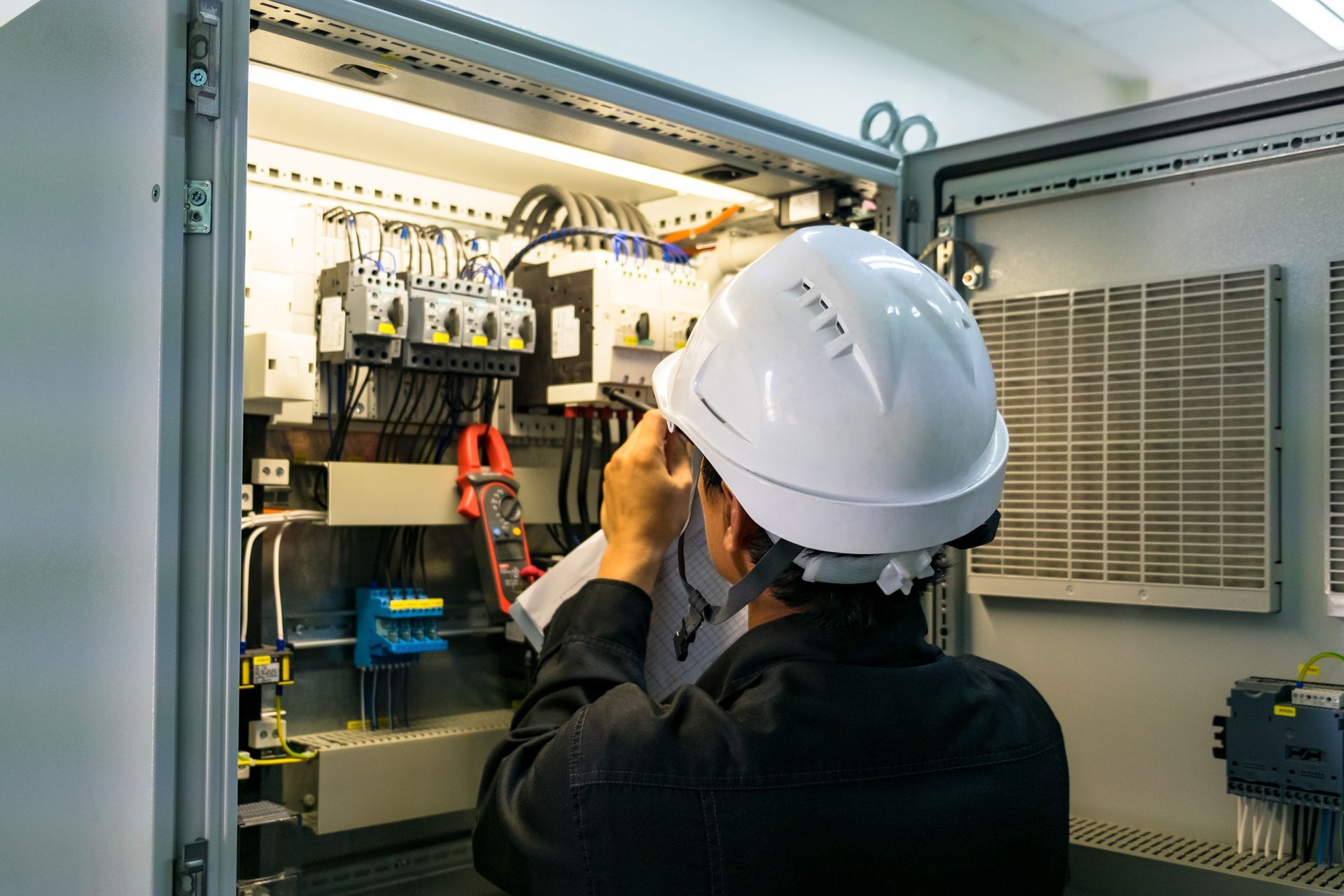
Wiring failures in commercial buildings show up as tripped breakers during normal operations, flickering lights when equipment starts, or outlets that cannot handle the amperage required by modern machinery. TH3 Electric installs commercial electrical wiring in Sherwood and throughout the Portland metro area for businesses constructing new facilities or upgrading outdated systems that no longer meet operational needs. Commercial wiring differs from residential work because it uses larger conductor sizes, conduit pathways instead of cable runs, and three-phase distribution for motors and heavy equipment that residential panels cannot support.
The installation process involves running conduit pathways through walls, ceilings, and utility spaces, pulling conductors rated for commercial voltage and amperage, and terminating connections at panels, junction boxes, and equipment locations. Coordination with general contractors and other trades ensures that wiring routes do not conflict with HVAC ductwork, plumbing lines, or structural framing, with adjustments made during rough-in stages before walls are closed.
Request a detailed estimate based on your building plans and equipment specifications.
How Commercial Wiring Supports Long-Term Operations
Proper capacity planning determines wire gauge, conduit size, and circuit quantity based on connected loads and future expansion possibilities, preventing situations where businesses outgrow their electrical infrastructure within months of opening. Code compliance involves meeting Oregon electrical standards for grounding, bonding, conduit fill ratios, and conductor derating when multiple circuits share the same raceway, all of which affect system safety and inspection approval. Project teams receive wiring diagrams and as-built documentation showing circuit paths, junction box locations, and panel schedules that facility managers reference during future maintenance or expansion work.
After installation, your equipment operates without voltage drops that cause motors to overheat or computers to reset unexpectedly, and circuit breakers remain stable during peak demand periods because conductors are sized to handle actual loads rather than minimum code requirements. Conduit systems allow for future wire additions without opening finished walls, providing scalability that supports business growth or equipment changes over the life of the building.
The service includes rough-in wiring, trim-out connections, and system testing, but does not cover equipment hookups requiring manufacturer-certified technicians or low-voltage cabling for data networks and communication systems. Renovation projects often reveal existing wiring that does not meet current code, requiring remediation work that extends beyond the original scope and affects project budgets.
Answers to Frequent Service Questions
Commercial wiring projects involve multiple phases and coordination points that affect timelines and site access requirements.
What happens during the rough-in phase?
Conduit pathways are installed through framing and structural spaces, junction boxes are mounted, and conductors are pulled before insulation and drywall close the walls, with inspections required before the project advances to finish stages.
How do you determine wire size for commercial circuits?
Load calculations account for continuous equipment operation, voltage drop over conductor length, ambient temperature derating, and conduit fill requirements that reduce ampacity when multiple circuits share the same raceway.
When should wiring be installed during new construction?
Rough-in occurs after framing and mechanical systems are in place but before insulation and wall coverings, with exact timing coordinated through the general contractor's construction schedule to avoid trade conflicts.
Why does commercial wiring in the Portland metro area require conduit instead of cable?
Oregon code and commercial building standards mandate rigid or EMT conduit for most commercial installations to provide physical protection, support future wire changes, and meet fire-resistance requirements that cable assemblies cannot achieve.
What documentation is provided after installation?
You receive panel schedules showing circuit assignments, as-built drawings reflecting actual wiring routes and junction box locations, and inspection certificates confirming that the installation meets Oregon electrical code and passed final review.
TH3 Electric manages commercial wiring projects from initial design review through final testing and documentation, ensuring that your facility's electrical infrastructure supports both immediate operational needs and future scalability. Arrange an on-site consultation to review your project requirements and coordination timeline.