Panels Built for Modern Electrical Loads
Electrical Panel Upgrades in Sherwood for homes with undersized panels, frequent breaker trips under normal use, and systems that cannot support additional circuits
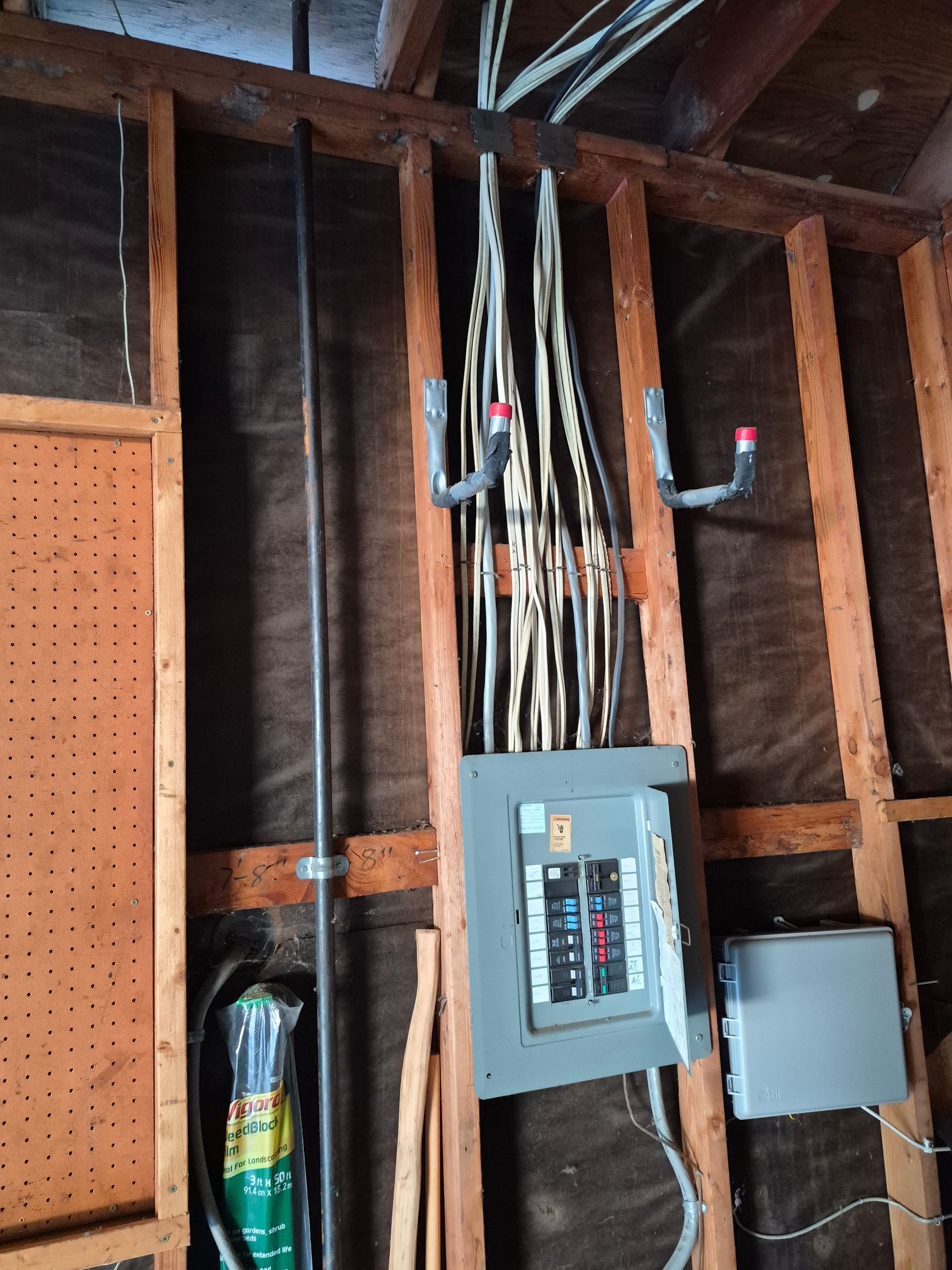
Breakers that trip when you run the dryer and microwave simultaneously indicate that the panel lacks sufficient capacity to distribute power across all active circuits without exceeding individual breaker ratings. TH3 Electric handles electrical panel upgrades in Sherwood for properties where the existing panel no longer matches household electrical demands, which becomes evident when you cannot add new circuits for renovations or when multiple breakers trip during routine use. Panels installed decades ago often max out at 100 amps, while modern homes with electric heating, air conditioning, and vehicle chargers typically require 200-amp service to operate reliably.
This service involves removing the outdated panel, installing a new panel with higher amperage capacity and additional breaker slots, and reconnecting existing circuits while adding capacity for future expansion. The utility meter base may also require replacement to handle the increased service, and the main service wire running from the meter to the panel must be sized appropriately to prevent voltage drop under full load.
Arrange an on-site consultation to determine whether your current panel meets your household's electrical requirements.
Why Panel Capacity Matters for Long-Term Use
Panel upgrades begin with calculating total electrical load by adding up the draw from all circuits, identifying which circuits will remain and which need reconfiguration, and determining whether the incoming service line from the utility can support the upgraded panel. If the service line is undersized, the utility company must upgrade the transformer and line before the panel replacement proceeds, which adds time but ensures the entire system functions as designed.
Once the upgrade is complete, you'll notice that running multiple high-draw appliances no longer causes lights to dim or breakers to trip, the panel has open slots for adding circuits during future remodels, and the system handles peak loads without stress. The panel itself will be labeled with current capacity and breaker ratings, making it straightforward for inspectors and future electricians to verify that the installation meets code and that circuits are properly balanced across both legs of the service.
Upgrading a panel does not automatically rewire the entire house, though some circuits may need updating if their wiring is undersized or deteriorated, and any circuits that do not meet current code standards should be addressed during the upgrade to avoid complications later. Homes preparing for solar panel installation or electric vehicle charging stations benefit from upgrading the panel proactively, as those additions require dedicated circuits that older panels cannot accommodate.
Answers to Frequent Service Questions
Understanding what panel upgrades involve helps homeowners plan for the work and its impact on the property.
What signs indicate that a panel needs upgrading?
Panels that lack open breaker slots, that trip breakers frequently despite normal use, that show rust or corrosion inside the enclosure, or that contain obsolete breaker types such as Federal Pacific or Zinsco models should be replaced to maintain safe operation.
How long does a panel upgrade typically take?
Most residential panel upgrades are completed within a full day, though the timeline extends if the utility company needs to upgrade the service line or if extensive circuit rewiring is required to bring existing wiring up to current standards.
What happens to power during the upgrade?
Power is shut off at the meter during the panel replacement, so the home will be without electricity for several hours while the new panel is installed and circuits are reconnected, which means planning for the outage by preserving refrigerated items and scheduling work when occupants can manage without power.
Why do electricians recommend 200-amp panels even if current usage is lower?
A 200-amp panel provides headroom for future expansion, which matters when adding circuits for kitchen remodels, workshop equipment, or electric vehicle chargers, and it prevents the need for a second upgrade if household electrical demands increase over time.
How do weather conditions in Sherwood affect panel longevity?
Panels installed in damp basements or exterior locations where moisture can enter the enclosure deteriorate faster than those in dry, climate-controlled spaces, so outdoor panels in the Portland metro area should be rated for wet locations and inspected regularly for signs of corrosion that compromise safety.
TH3 Electric completes panel upgrades that prepare homes for modern electrical demands and future expansion. Contact us to review your current panel capacity and discuss whether an upgrade will improve system reliability.