Identifying Code Concerns Before They Escalate
Commercial Electrical Safety Inspections in Sherwood for property managers and facility operators maintaining aging infrastructure
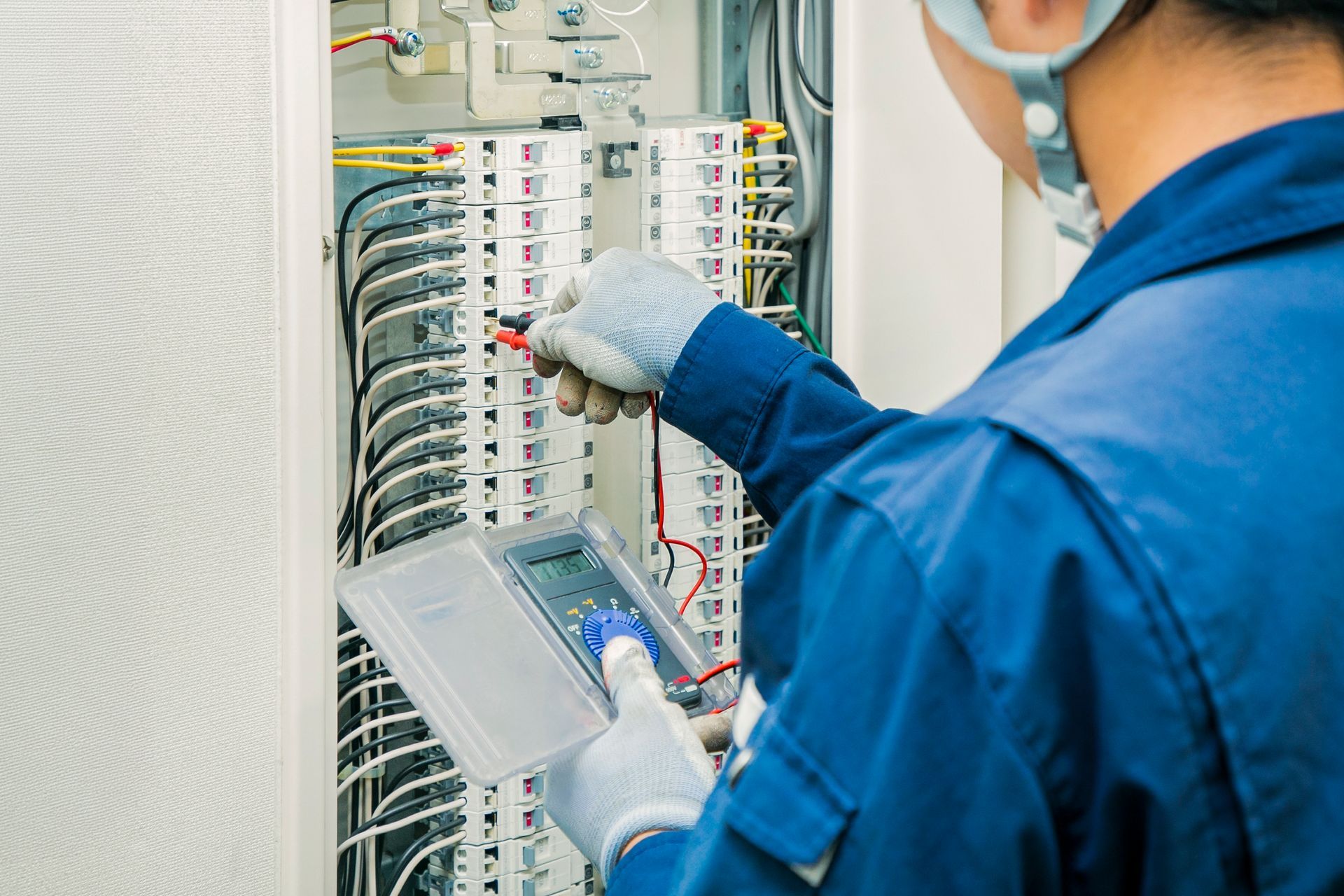
Electrical hazards in commercial buildings develop gradually as connections loosen, insulation deteriorates, and equipment ages beyond its design life without visible signs of failure. TH3 Electric conducts commercial electrical safety inspections in Sherwood and the Portland metro area for businesses, landlords, and property managers who need documented assessments of electrical infrastructure and equipment condition. Inspections evaluate whether existing systems meet current code requirements, identify safety risks that could lead to fires or electrocution, and provide findings that support maintenance planning and capital budgeting decisions.
The evaluation process examines service entrance equipment, distribution panels, grounding systems, branch circuit wiring, and connected devices for signs of overheating, corrosion, physical damage, or code violations that have accumulated through years of modifications and repairs. Testing includes measuring ground resistance, verifying GFCI and AFCI protection where required, checking panel torque specifications, and documenting conditions with photographs and thermal images that establish baseline data for future comparisons.
Arrange an evaluation to assess electrical risks and develop a prioritized maintenance plan for your commercial property.
What Changes After Safety Concerns Are Documented
Inspectors review panel schedules against actual circuit usage, identify overloaded breakers or undersized conductors, and verify that grounding and bonding connections meet National Electrical Code standards and Oregon amendments that apply to commercial occupancies. Equipment age, obsolete components, and incompatible repairs are noted with recommendations categorized by urgency, allowing facility managers to allocate budgets toward immediate safety hazards versus longer-term system upgrades. Documentation includes annotated photographs, thermal images showing hot connections, and written reports that insurance companies, lenders, or prospective buyers reference when evaluating property condition.
After receiving the inspection report, you possess a clear understanding of which electrical components require immediate attention, which items should be addressed during planned maintenance windows, and what system upgrades support long-term reliability and compliance. The findings guide maintenance schedules, capital improvement budgets, and contract negotiations for properties changing ownership or undergoing tenant improvements that trigger code compliance requirements.
Inspections do not include corrective work or installations, which are quoted separately based on documented findings and client priorities. Some issues identified during inspections involve equipment or systems outside the inspector's scope, such as fire alarm panels or HVAC controls, requiring referrals to specialty contractors for further evaluation.
Questions Before Starting Your Inspection
Safety inspections provide property managers and business owners with objective data about electrical system condition and code compliance status.
What areas are examined during a commercial electrical safety inspection?
Inspectors evaluate service entrance equipment, main and sub-panels, grounding electrodes, branch circuit wiring visible in accessible spaces, outlet and switch conditions, emergency lighting, and exit signs, documenting deficiencies and safety concerns throughout the facility.
How are inspection findings prioritized?
Issues are categorized as immediate safety hazards requiring prompt correction, code violations that must be addressed before the next inspection cycle, and recommended upgrades that improve reliability or support future capacity needs without posing immediate risks.
When should commercial properties schedule electrical safety inspections?
Inspections are appropriate before property transactions, after acquiring buildings with unknown electrical history, when planning renovations that may trigger code upgrades, or on a routine three-to-five-year cycle for facilities with aging infrastructure.
Why do older commercial buildings in the Portland metro area often have multiple code violations?
Buildings constructed under earlier code editions may have legal nonconforming installations that do not meet current standards, with violations accumulating as tenants or owners make modifications without permits or inspections over decades of use.
What documentation is provided after the inspection?
You receive a written report detailing findings by location and system component, photographs showing specific deficiencies, thermal images highlighting overheating connections, and recommendations with estimated priority levels to guide corrective planning.
TH3 Electric delivers thorough electrical safety evaluations that help property managers, business owners, and facility operators understand system condition and plan corrective actions based on documented evidence. Schedule an inspection to receive a comprehensive assessment of your commercial property's electrical infrastructure and compliance status.