Visibility That Supports Workplace Function
Commercial Lighting Services in Sherwood for businesses upgrading outdated fixtures and improving workspace illumination
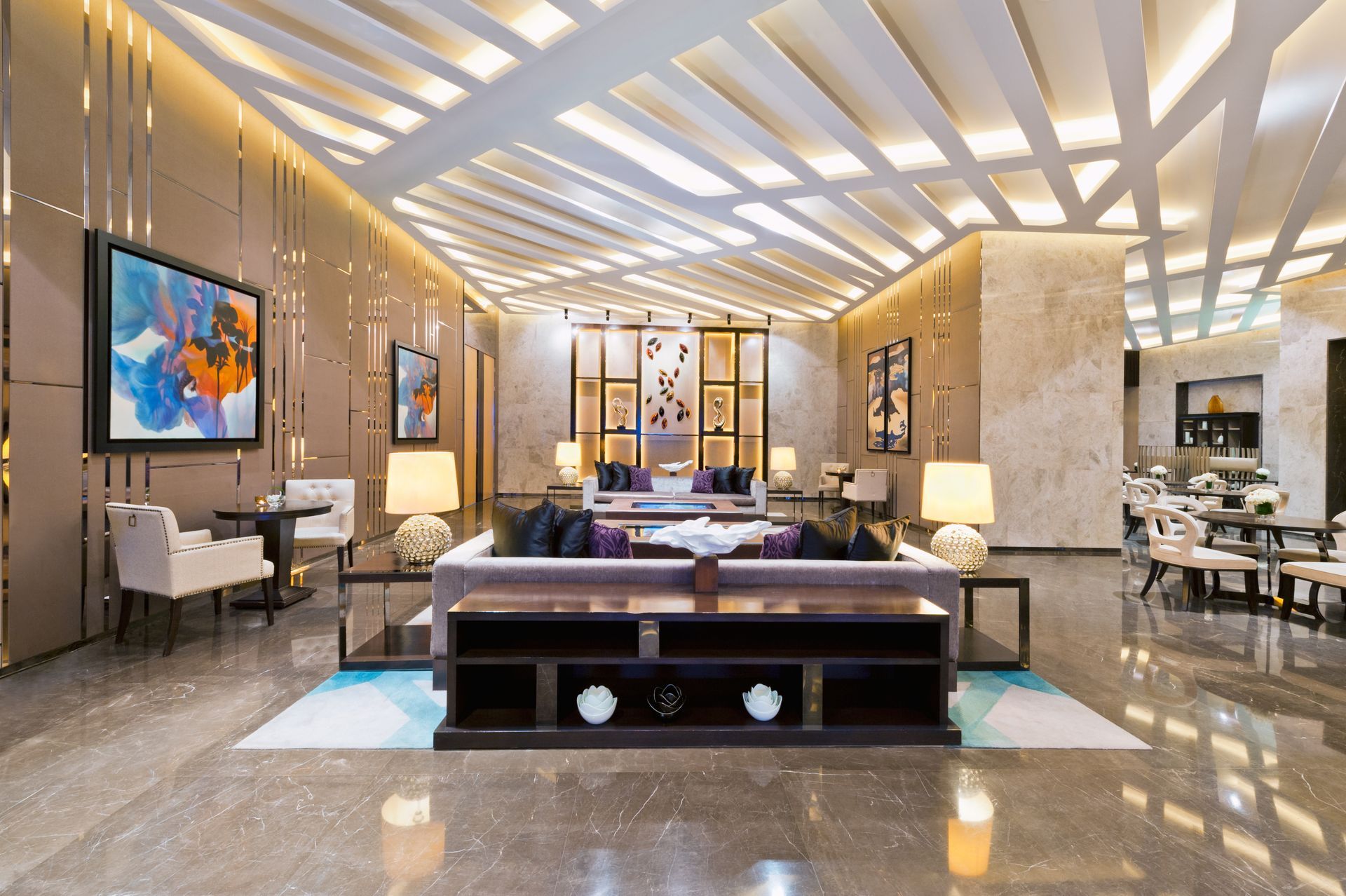
Inadequate lighting creates visibility problems that reduce productivity, increase error rates, and contribute to workplace accidents in warehouses, offices, and retail environments. Outdated fluorescent fixtures with aging ballasts flicker constantly, fail to provide uniform light distribution, and consume more energy than modern LED systems while requiring frequent lamp replacements that disrupt operations. TH3 Electric provides commercial lighting services in Sherwood and the Portland metro area for businesses installing new lighting systems or upgrading existing fixtures to improve visibility, reduce maintenance, and support workplace function.
The service includes evaluating current lighting levels, recommending fixture types based on ceiling height and task requirements, and installing interior or exterior systems that deliver appropriate footcandles for the work being performed. Projects range from replacing individual fixtures in office spaces to complete lighting redesigns for retail stores, manufacturing facilities, or parking areas where visibility directly affects safety and security.
Request a lighting evaluation to determine fixture requirements and energy savings potential for your commercial facility.
The Difference Between Adequate and Poor Commercial Lighting
Lighting design accounts for mounting height, spacing ratios, color temperature, and light distribution patterns to eliminate dark spots and provide uniform illumination across work surfaces, aisles, and task areas. Fixture selection balances initial cost against long-term operating expenses, with LED systems offering longer lamp life and lower energy consumption but higher upfront investment compared to fluorescent or metal halide alternatives. Control systems including occupancy sensors, photocells, and dimming circuits reduce energy use in spaces with variable occupancy or daylight contribution, adding complexity to installations but delivering ongoing savings that offset initial equipment costs.
Once the installation is complete, employees notice improved visibility that reduces eye strain and makes detail work easier, uniform light levels eliminate shadows that hide hazards or product defects, and automated controls ensure that lights operate only when needed rather than running continuously during unoccupied periods. Maintenance intervals extend from monthly lamp replacements under older fluorescent systems to annual inspections under LED installations that maintain consistent output for years without service.
Lighting projects typically include fixture supply, circuit installation, and control programming, but may exclude structural modifications required to support heavier fixtures or specialty systems such as emergency egress lighting that requires battery backup and monthly testing protocols. Exterior lighting involves weatherproof enclosures, photocell integration, and considerations for light trespass and dark-sky compliance that do not apply to interior installations.
What Property Owners Usually Ask
Commercial lighting projects involve balancing visibility requirements, energy costs, and maintenance considerations specific to your facility type and operating hours.
What happens during a commercial lighting consultation?
The electrician measures existing light levels using a footcandle meter, evaluates fixture condition and placement, discusses visibility concerns with facility staff, and recommends fixture types, quantities, and control strategies that meet illumination standards for your specific work environment.
How do you select appropriate fixtures for different commercial spaces?
Fixture selection considers ceiling height, task requirements, ambient contribution from windows, mounting options, and environmental factors such as dust, moisture, or temperature extremes that affect fixture durability and performance over time.
What factors affect energy savings from lighting upgrades?
Savings depend on existing fixture wattage, daily operating hours, utility rates, fixture efficiency, and control strategies, with greatest returns in facilities operating lights continuously or in high-bay spaces where older metal halide systems consume significant power.
Why do some commercial lighting projects in Sherwood require control system integration?
Oregon energy code mandates occupancy sensors and automatic shutoff in many commercial spaces, requiring control wiring and programming that extends beyond simple fixture replacement and affects project complexity and installation timelines.
What maintenance should I expect after installation?
LED fixtures require minimal maintenance beyond periodic cleaning and annual inspections to verify that lenses remain intact and mounting hardware stays secure, with lamp life typically exceeding five years under normal commercial operating conditions.
TH3 Electric designs and installs commercial lighting systems tailored to your facility's specific visibility needs, operational patterns, and budget constraints. Call (503) 503-1277 to discuss lighting solutions that improve workplace function and reduce long-term operating costs.