Electrical Systems Evaluated for Current Standards
Residential Electrical Safety Inspections in Sherwood for homes with aging wiring, properties changing ownership, and systems that have not been evaluated since installation
Electrical systems degrade over time as connections loosen, insulation becomes brittle, and components designed for lower loads struggle to meet current demands, which creates conditions that inspections identify before they lead to failures or hazards. TH3 Electric conducts residential electrical safety inspections in Sherwood for buyers evaluating a property before purchase, sellers preparing for listing requirements, and homeowners who want to verify that their system operates safely and meets current code standards. Inspections provide a documented assessment of the electrical system's condition, which informs decisions about repairs, upgrades, or ongoing maintenance.
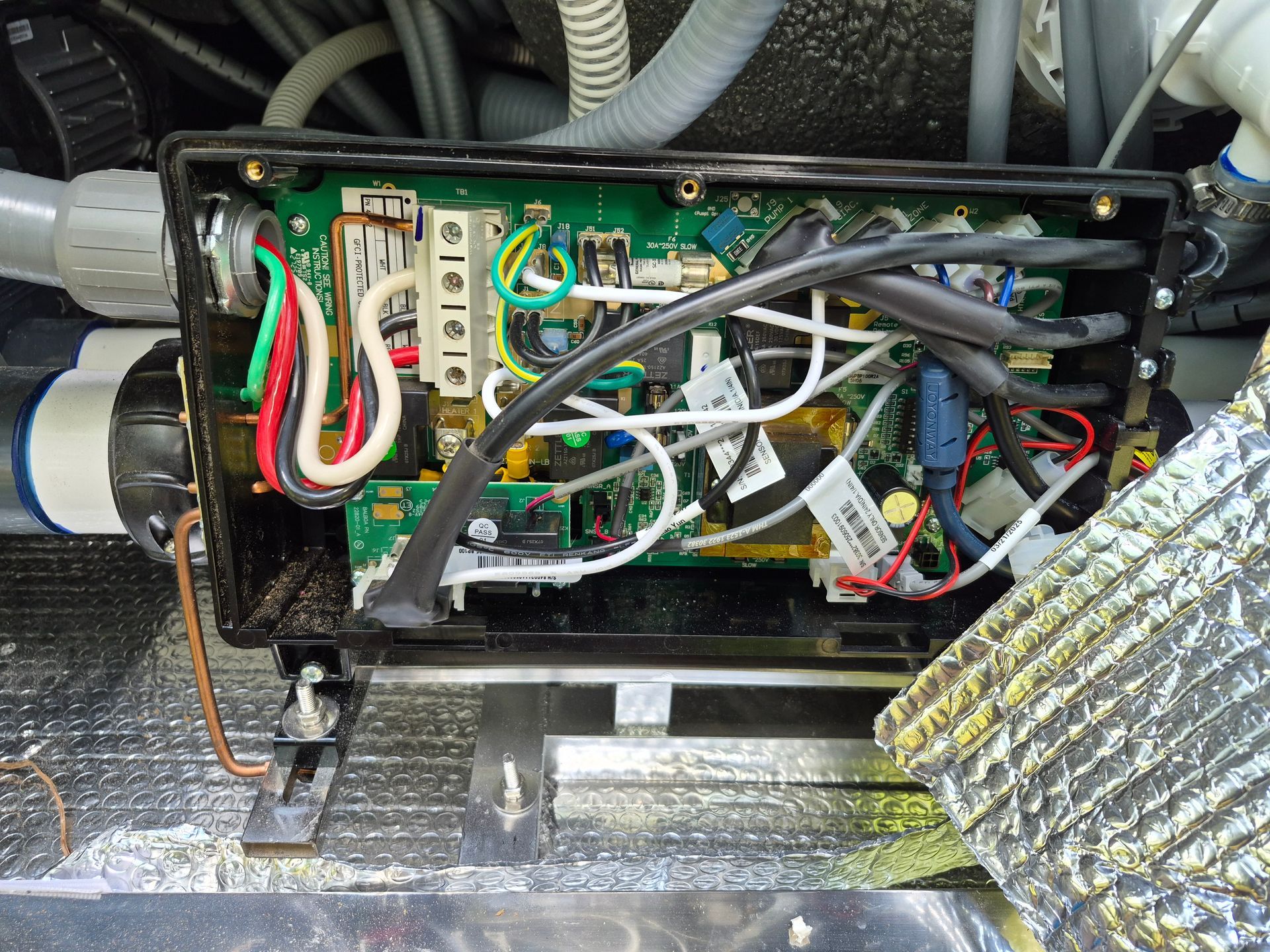
The inspection process involves examining the electrical panel for signs of damage or obsolete components, testing outlets and switches for proper grounding and polarity, checking circuit wiring for adequate sizing and insulation integrity, and verifying that installations comply with the National Electrical Code in effect at the time of installation or as required by local amendments. Inspectors also identify fire hazards such as overloaded circuits, improper splices, or missing junction box covers that expose live wiring.
Schedule an inspection to identify safety concerns and receive recommendations for addressing issues found during the evaluation.
What Electrical Inspections Reveal
Inspections test each circuit under load to verify that breakers trip at their rated capacity, measure voltage at multiple points to detect problems with service delivery or internal wiring, and inspect visible wiring in attics, basements, and crawl spaces for damage caused by rodents, moisture, or physical wear. Ground fault circuit interrupters in kitchens, bathrooms, and outdoor locations are tested to confirm they disconnect power within the required timeframe when a ground fault is detected, which prevents shock hazards in areas where water contact is likely.
After the inspection, you'll receive a written report detailing which components meet current standards, which pose safety risks that require immediate attention, and which should be monitored or upgraded to prevent future problems. The report prioritizes issues by severity, distinguishing between hazards that compromise safety and items that represent deferred maintenance or opportunities for improvement but do not pose imminent risk.
Inspections do not automatically include repairs, though electricians can provide cost estimates for addressing identified issues and schedule follow-up work to correct deficiencies. Some findings, such as aluminum wiring or ungrounded outlets, may not violate code if they were compliant at the time of installation, but they still warrant attention because modern standards recognize risks that were not understood decades ago.
What Property Owners Usually Ask
Electrical inspections provide clarity about system condition and help prioritize maintenance and upgrades based on actual need rather than assumptions.
What does an electrical safety inspection cover?
Inspections examine the service panel, main disconnect, circuit breakers, visible wiring, outlet and switch function, grounding systems, GFCI and AFCI protection, and any visible signs of damage, corrosion, or improper installation throughout accessible areas of the home.
How do inspectors identify outdated wiring without opening walls?
Inspectors check wiring visible in attics, basements, and crawl spaces, examine the panel to see what type of wire feeds each circuit, and test outlets to determine whether grounding is present, which provides a representative assessment of the system's condition without invasive exploration.
When is an electrical inspection required versus recommended?
Inspections are typically required during real estate transactions, after major renovations, and when obtaining permits for new electrical work, but they're also recommended before purchasing a home built more than 30 years ago, after any electrical malfunction, and when planning significant additions that will stress the existing system.
What issues most commonly appear in homes throughout Sherwood?
Older homes in the Portland metro area often have insufficient panel capacity for modern loads, lack GFCI protection in required locations, contain outdated wiring types such as knob-and-tube or aluminum, and have accumulated improper modifications over years of DIY work or unpermitted additions.
How does an inspection report help with home maintenance planning?
The report identifies which issues need immediate correction to maintain safety, which components are nearing the end of their useful life and should be budgeted for replacement, and which aspects of the system are functioning properly and require only routine monitoring.
TH3 Electric provides thorough electrical safety inspections that document system condition and identify areas requiring attention. Call (503) 503-1277 to arrange an inspection and receive a detailed assessment of your property's electrical infrastructure.